

The principles of public divination and interactive quizzes.
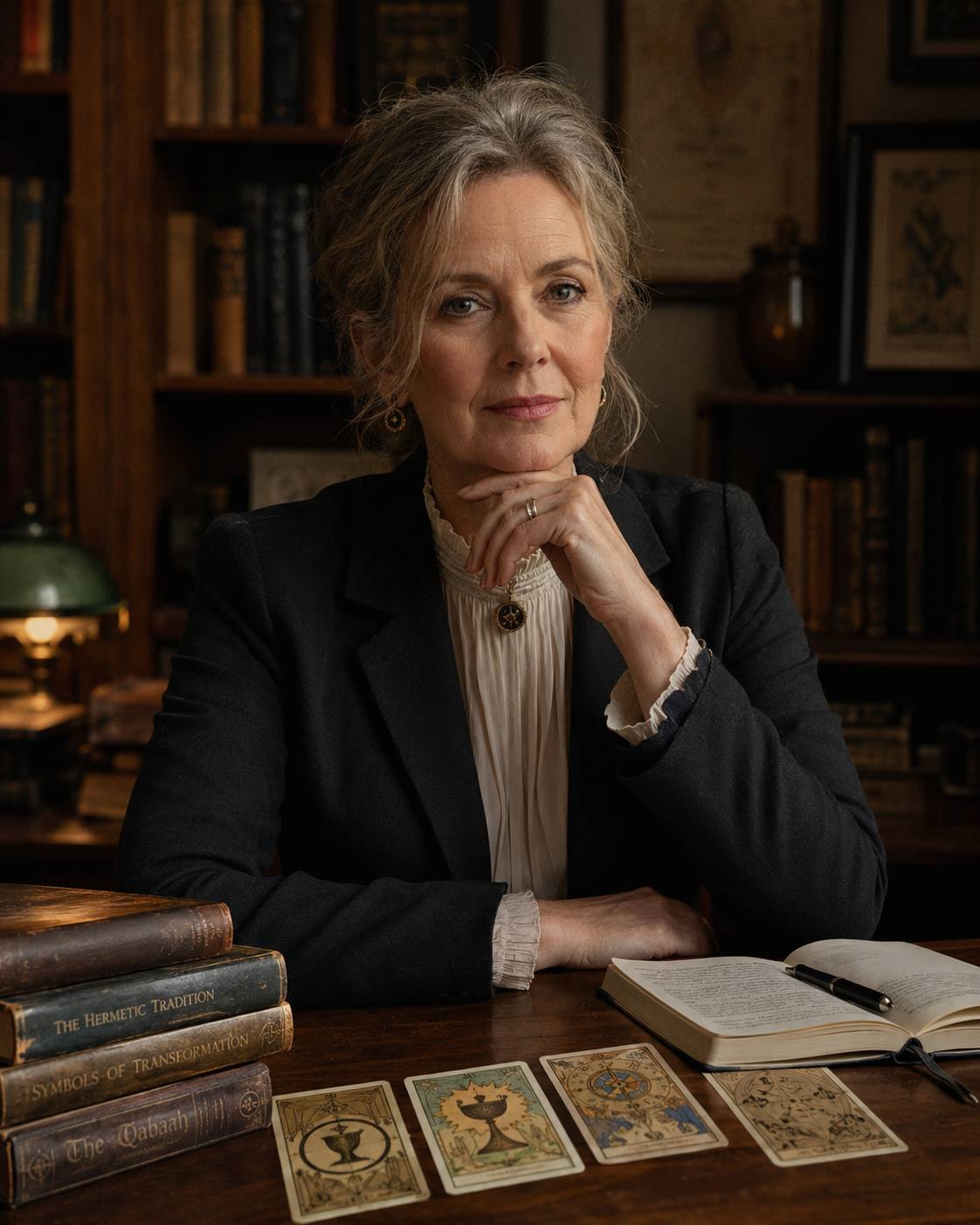
On major social media platforms or divination apps, you must have come across this scenario: three cards are displayed on the screen, with a note saying "Choose a card to test your love fortune for next month" or "See your recent physical and mental fatigue index."
This type of activity, which does not require specific personal information and only asks you to choose an option based on your first instinct, is known in modern times as "public divination" or "interactive tarot tests."
This is not just a fun psychological game; it is also a gentle door that allows everyone to conveniently inquire within amidst the noise of daily life.
1. What is Public Divination?
Traditional tarot divination is one-on-one. The diviner needs to sit across from you, listen to your specific troubles, tailor a card spread for you, and draw and interpret cards based on your current situation.
In contrast, "public divination" is like a "self-service buffet for the soul." The diviner sets a common life theme that everyone cares about in advance, draws several sets of cards based on intuition, and places them face down. Next, readers simply look at the backs of these cards (usually accompanied by different crystals, decorations, or patterns) and intuitively choose the set that attracts them the most. Once flipped over, they can receive personalized guidance.
Public divination does not require you to provide complicated backgrounds, nor is there the pressure of making an appointment. It is fun, quick, and full of surprises, making it one of the most popular methods for self-exploration among modern people.
2. Why is it Accurate? Three Psychological Principles of Public Divination
Many people may wonder: "With the same set of cards, tens of thousands of people might choose them; does that mean everyone's fate is the same? Why do I feel it is so accurate when I read it?"
In fact, what is at play here is not some magical force but a wonderful operation that combines psychology, human empathy, and intuition:
Principle One: Jung's "Synchronicity"
Psychology master Jung proposed a concept: there are no pure coincidences in the world; seemingly unrelated events are often connected by the meaning of the mind.
When you are drawn to a specific pattern or cup among a row of options, it is not random; your "subconscious" is quietly at work. Your subconscious already knows where you are stuck and what comfort you need. Therefore, it acts like a guide, directing your gaze and finger to click on the card that can best resolve your current emotional knot.
Principle Two: "Mirroring and Projection" of the Mind
The words and images on tarot cards are essentially a "clear mirror."
The interpretive text of public divination usually encompasses some universal human emotions. When you read these words, your brain automatically activates the "projection mechanism."
- If the text mentions: "You may feel neglected in a relationship recently."
- Your brain immediately searches your memory bank and connects: "Yes! I was talking to my husband yesterday, and he was scrolling on his phone."
This is not that the diviner can foresee the details of your life, but rather the text of the divination helps you "fish out" the real feelings you have been suppressing or not clearly seeing. The true interpreter is you; it is your wisdom that is interpreting your life.
Principle Three: "Collective Empathy" of Life Experiences
Although everyone's life stories are different, the "joys and sorrows" that humans face in life are actually highly similar.
At the same time, there may be countless people around the world facing remote work fatigue, feeling overwhelmed by parenting pressures, or feeling lost about the future. What public divination captures is this "collective energy fluctuation."
When you read a passage that deeply moves you, even bringing tears to your eyes, it signifies that your soul is "embracing from afar" with thousands of others in similar situations. This makes you realize: in pain, I am not alone.
3. The Value of Interactive Tests: From "Fortune-Telling" to "Self-Dialogue"
The most charming aspect of public divination is that it lowers the threshold for divination.
It does not provide cold, absolute judgments about fate; instead, it offers a "direction you can try to think about today." When you choose "Ten of Cups," it reminds you to spend more time with your beloved family; when you choose "Four of Swords," it gently tells you that you should take a break today.
Public divination does not tell you "what will happen in the future," but rather, through the card you have chosen, it gently pats your shoulder and says: "Hey, today, you can try to love yourself this way."
Want to explore further?
Beyond knowledge articles, we offer professional divination services and free tools to help you understand yourself better.